
Across 14,114 real practice answers on EnCiro, the element candidates do worst on is Regulatory Framework — 51.9%, below every other element.
It's also the element with almost no arithmetic in it. Element 1 is who regulates whom, why a rule exists, and which body can actually fine you. Pure explanation. And it's the one most people treat as background reading before skipping ahead to products.
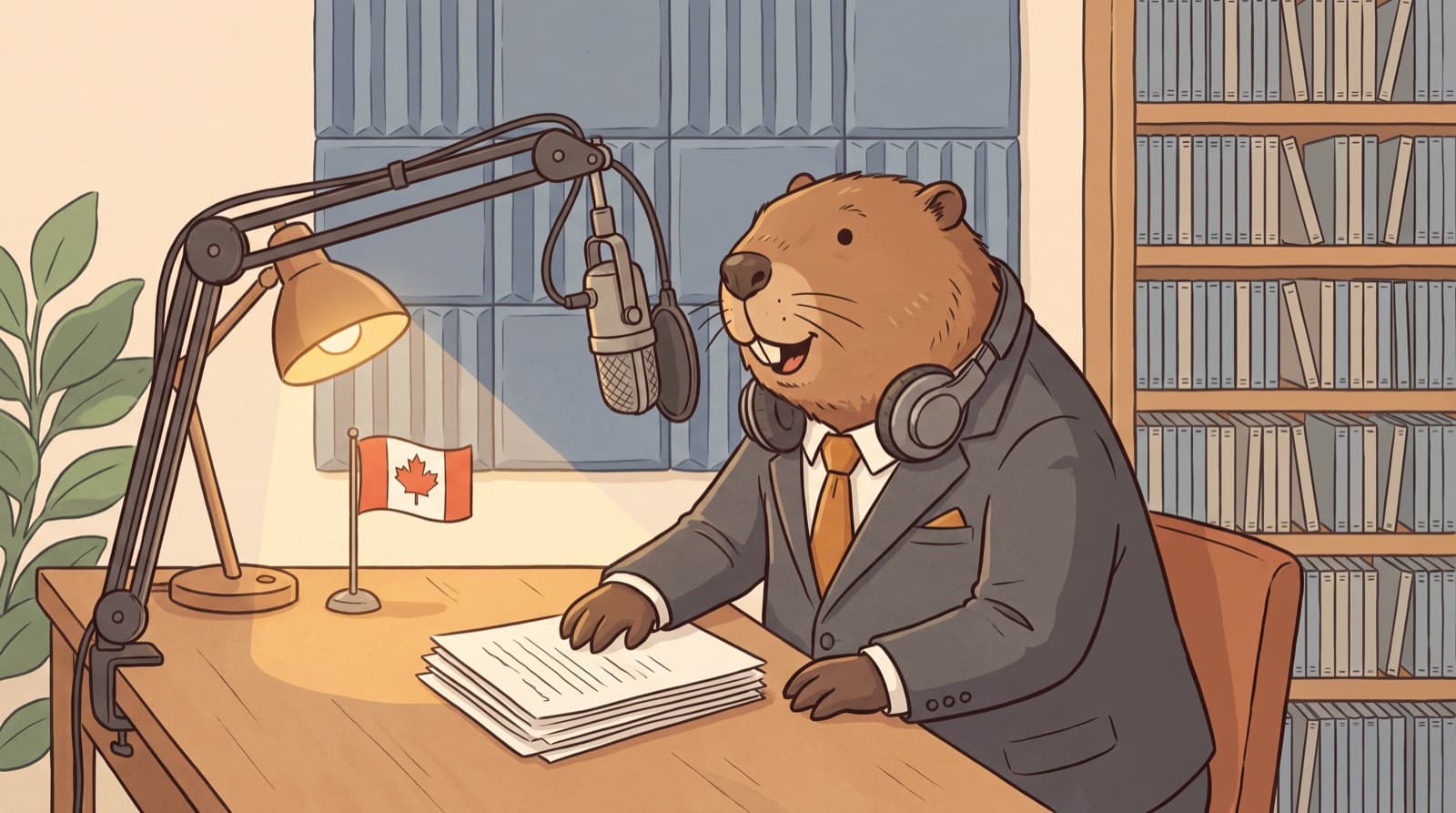
Which makes it the best argument there is for studying with your ears, because explanation is exactly what survives the trip into audio.
Why regulation listens well
Regulatory material is full of numbers that look arbitrary until someone explains them.
A fee schedule has to reach a client either when the account opens or sixty days before a fee is charged. Why sixty and not thirty? Because moving an account to another dealer takes weeks of paperwork, so sixty days is sized to give the client a real way out before the first deduction lands.
Read that in a table and it's a number to memorize. Hear it explained and it stops being arbitrary — and thirty days, the exam's favourite distractor, stops being tempting.
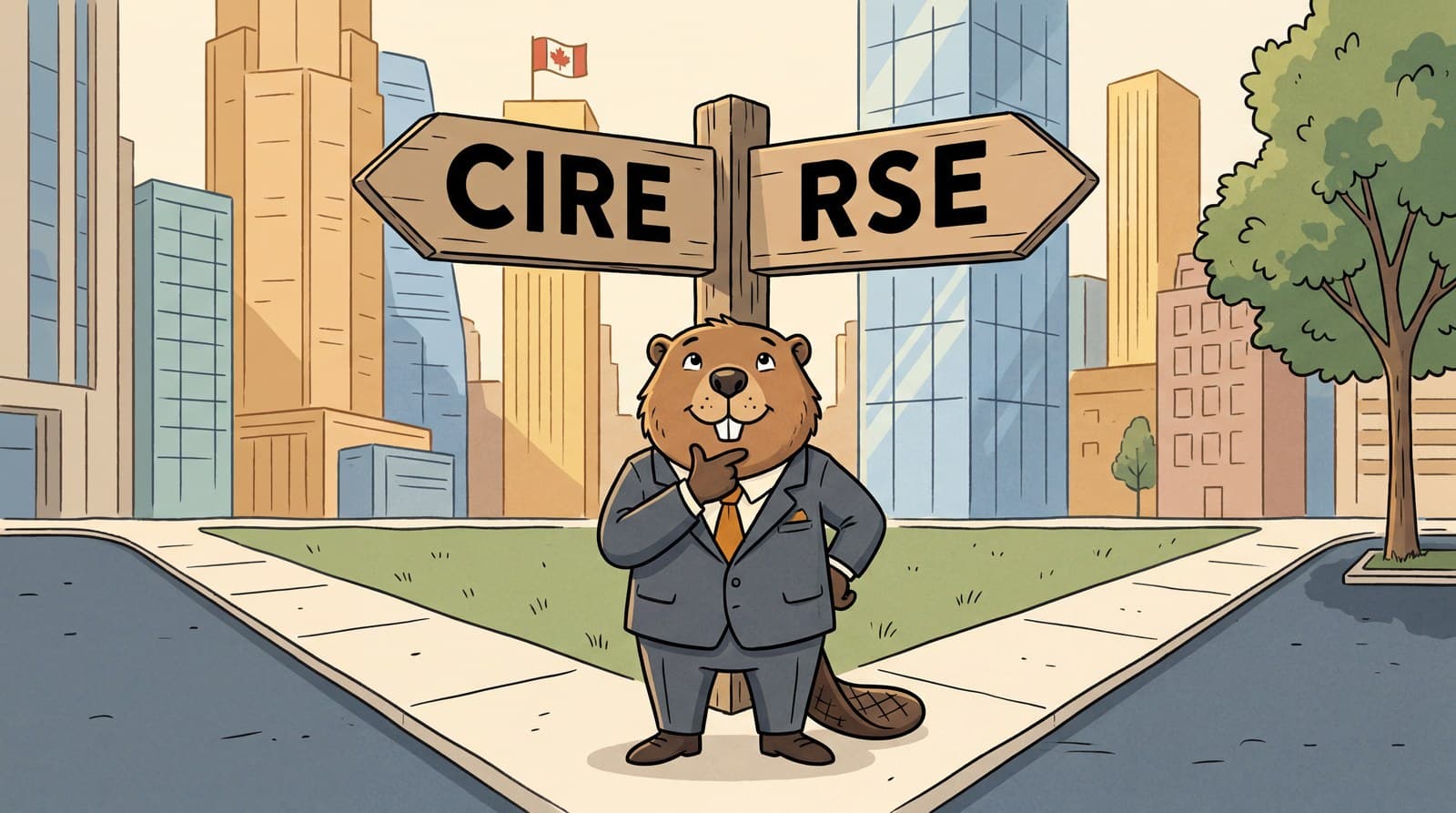
The same holds for everything that blurs under time pressure. The CSA versus CIRO. Operating charges versus transaction charges. An exchange versus a clearing corporation. Those are contrasts, and holding two things side by side while someone draws the line between them is something audio does naturally and a table does badly.
Then there's the part that matters most, which isn't really about audio at all. It's about the second pass.
Re-reading your own notes feels productive and mostly isn't. You recognize your own sentences and mistake recognition for knowledge. Hearing the same concept explained a different way, by a different voice, with a different example, doesn't let you do that. You notice the bits you'd only half-understood, because there's nothing on the page to hide behind.
Two things it won't do
It won't get you through calculations. On the RSE and ISE a real share of the exam asks you to work something out: yield, duration, margin, the effect of a reinvested distribution on an adjusted cost base. You can understand a calculation by ear — which inputs matter, which way the answer moves when one changes, why the formula is shaped the way it is. You can't practise one by ear. That needs paper.
While we're here: CIRO exams are sat in Prometric ProProctor and personal calculators are not permitted. You get an on-screen Basic or Scientific calculator with no TVM keys. Any study resource teaching you a keystroke sequence on a TI BA II Plus is teaching you something you can't use in the room.
It won't test you. Listening is input. Passing is output. Hearing a concept explained is no substitute for answering questions on it under time pressure, getting them wrong, and finding out why.
That second one is the real trap. Audio feels like studying — it's pleasant, it's effortless, and an hour of it leaves you with the warm sense of having done something. If it quietly displaces the hour you'd have spent getting questions wrong, it has made your preparation worse while feeling like it improved it.
Using the hours well
The strongest pattern is simple: read a concept at your desk, then hear it argued differently on the way home the same day. You get spaced repetition without scheduling anything, and the second pass does real work instead of just reassuring you.
Run a whole element rather than scattered concepts. The concepts inside an element talk to each other, and those connections are what the harder questions test.
Find the fastest speed you can still follow, and slow down for anything with arithmetic. If you've stopped following, you've stopped studying, and it doesn't matter how fast it played.
Go back rather than push on. Fifteen seconds of re-listening costs nothing. Finishing an episode you lost four minutes ago costs you the episode.
The honest version
Audio won't pass the exam for you, and anyone selling it as a shortcut is selling something.
What it does is convert dead time into real exposure, and give you a second encounter with material you'd otherwise meet once. On an exam whose weakest element is also its most explainable one, that's worth more than it sounds.
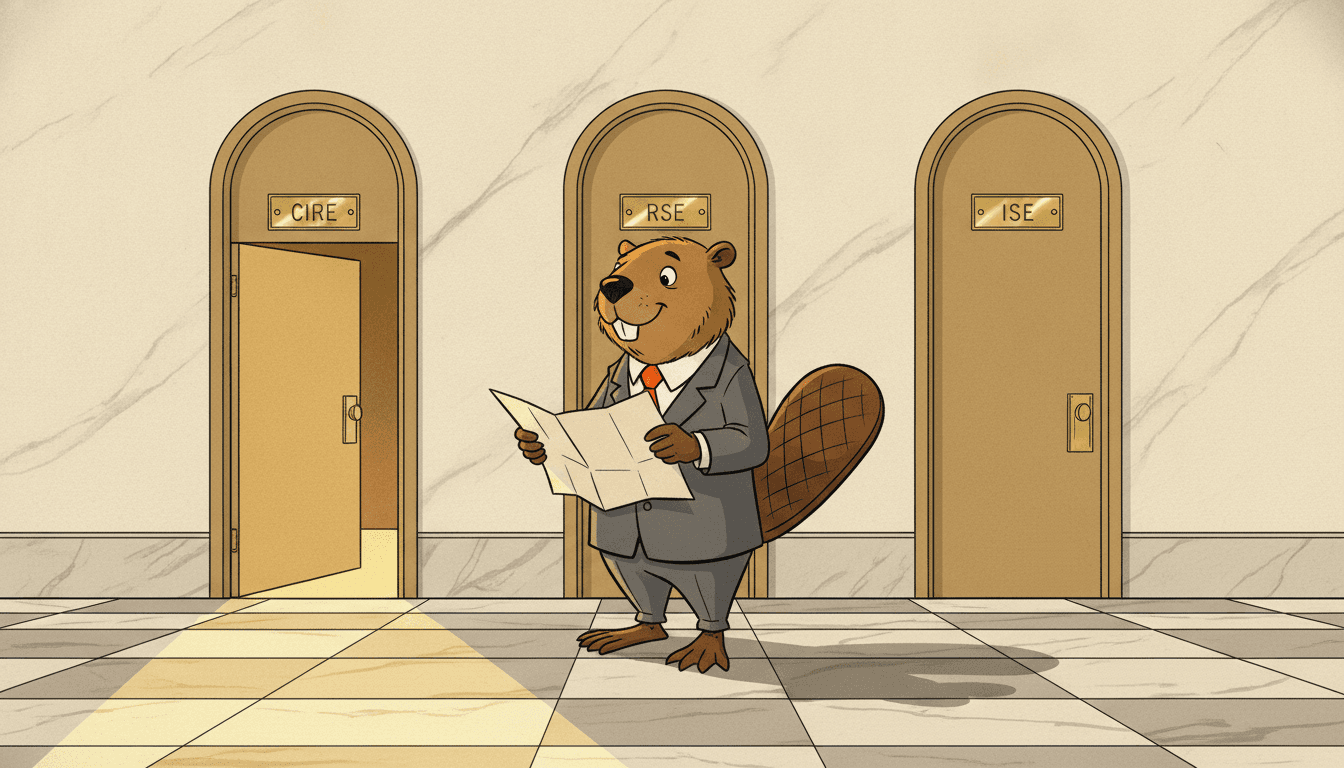
Every concept in CIRE, RSE and ISE now has an audio episode — 1,238 of them, 158 hours, written for the ear and narrated, with a transcript you can tap to jump through. Start free.