Nobody has ever learned the difference between an operating charge and a transaction charge by re-reading the same paragraph on a delayed train.
But that's where a lot of your study time lives. The commute, the gym, the walk to the station — hours where you're awake, alert, and holding a device you can't read a rule book on. If you're prepping around a job, it's time the study plan never touches.
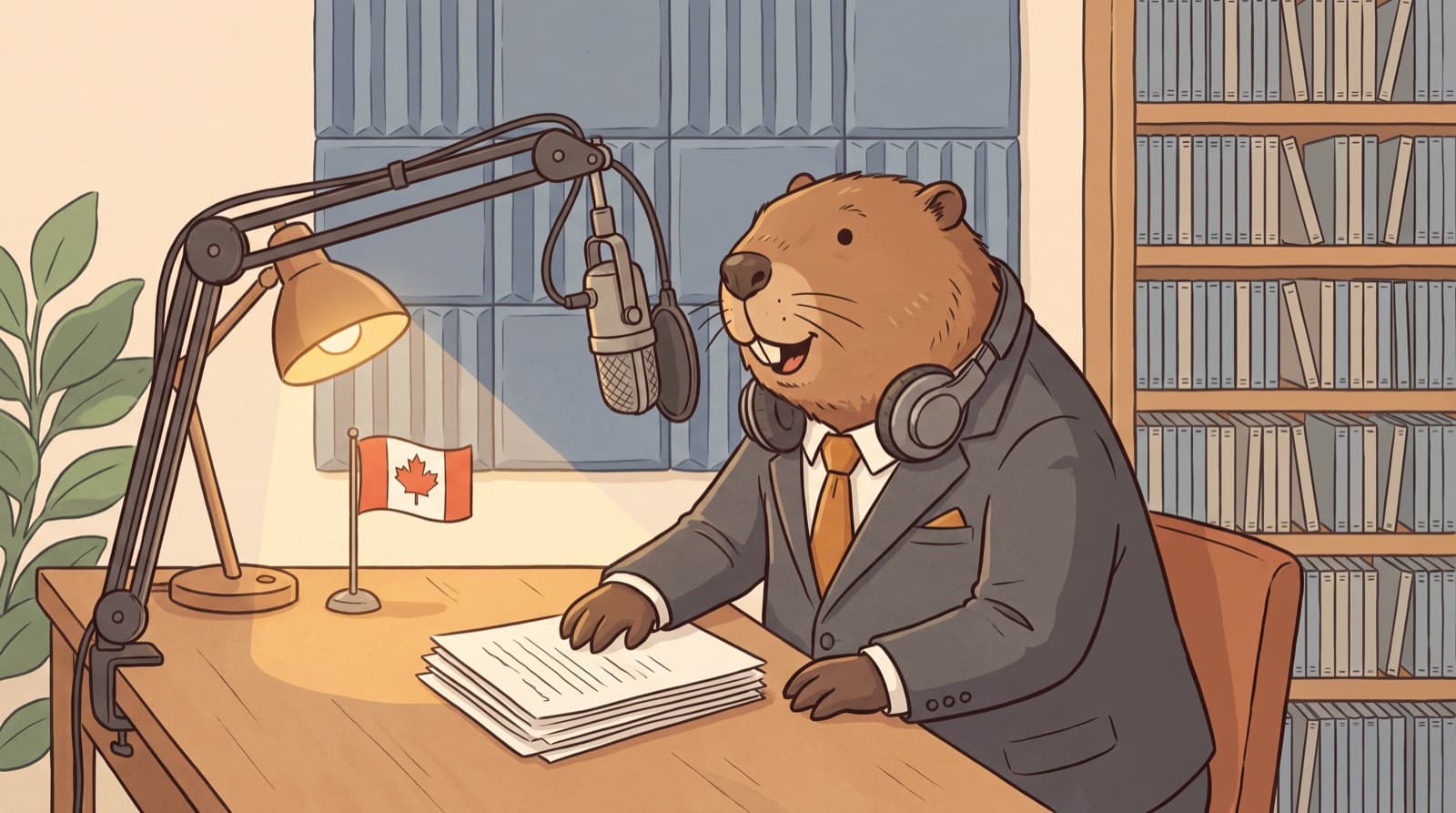
So we recorded the syllabus.
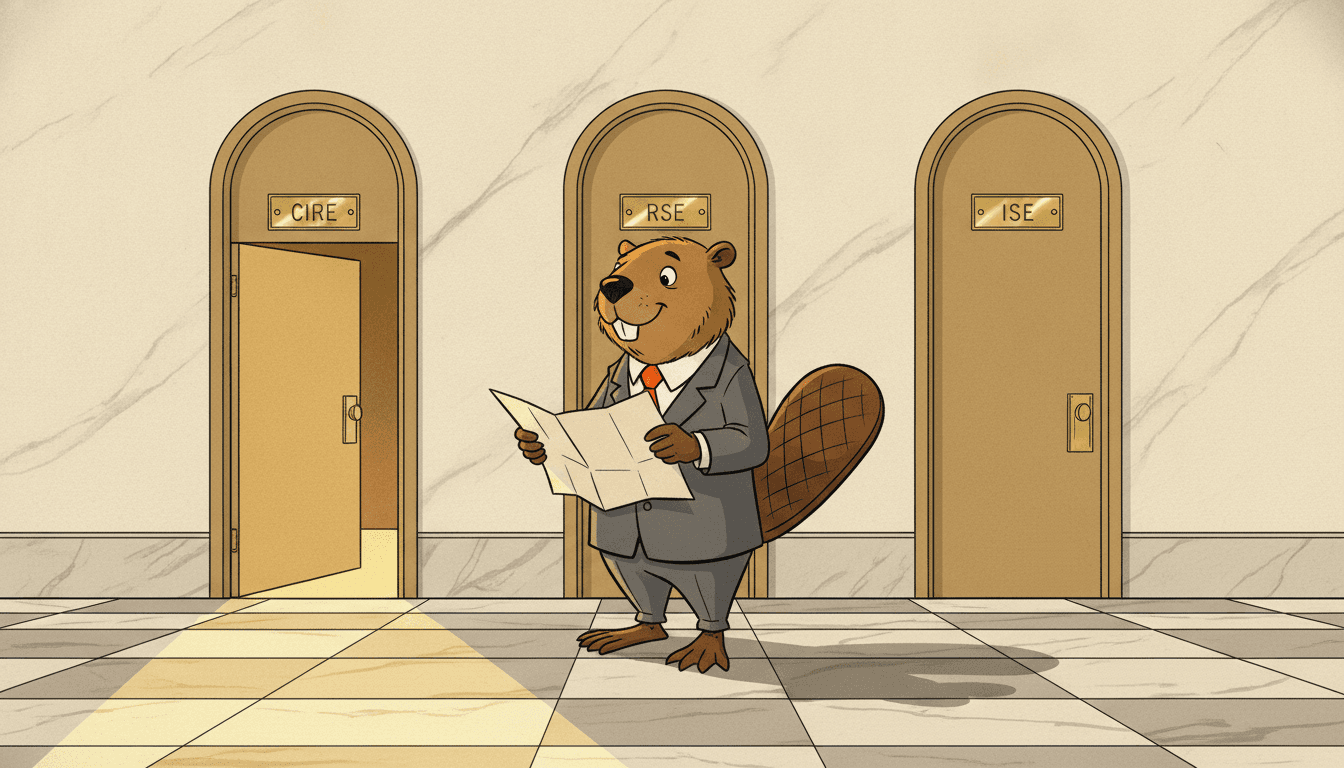
Every concept in the Learning Centre now has its own audio episode. All 1,238 of them, across all three exams — 483 for the CIRE, 378 for the ISE, 377 for the RSE. A hundred and fifty-eight hours, every element, start to finish. They sit beside the reading as a fourth activity — Read, Listen, Quiz, Cards — and most run about seven minutes.
We didn't point a robot at the lessons
That was the obvious shortcut, and it produces something nobody listens to twice.
Written study material is built for the eye: headings to orient you, bullets to scan, rule citations in brackets. Feed that to a text-to-speech engine and you get "bullet. Under Rule twenty-three hundred, parenthesis b, parenthesis two…" It's technically audio. It is not something you'll finish.
So every episode is its own piece of writing, built from the same source material as the lesson. It opens on a question, argues its way to an answer, and brings in a worked example where the concept actually calls for one.
Concept 1.1.1 — the one about who actually writes Canadian securities rules — opens like this:
A document lands on your desk. Across the top it reads National Instrument. In the corner there is a name that sounds like a federal department: Canadian Securities Administrators. … Who actually made this rule, and which body can actually enforce it against you? Neither name on the page answers that question, and both point the same wrong way.
The written lesson on that same concept opens somewhere else entirely — with the SEC, the FCA, and the fact that Canada has no equivalent of either. Both work. They arrive at the same place from opposite directions, which is the whole point: hearing the material a second way is a second pass at it, not a replay of the first.
Twelve hundred and thirty-eight times over. That's where the work went.
The transcript is the scrubber
The full script sits under the player, and every line is a seek point. Lost the thread? Tap the paragraph and the audio jumps there. It highlights the line it's currently on, and stops following the moment you scroll yourself — no fighting a page that keeps yanking you back.
It's also searchable text, which matters if you'd rather skim seven minutes than spend them.
The rest of it
Speed, remembered. 0.8× to 2×, starting at 1.25×. Set it once; every episode after opens at your pace.
Autoplay. Rolls into the next concept, so an element plays end to end with the phone in your pocket.
Resumes anywhere. Position follows your account, not the device. Start on the train, finish at your desk.
It counts. Finish an episode and the concept marks complete, same as reading it.
Where it is, and what it costs
All three exams, every element, live today. Open any concept and the Listen tab is there with its length on it.
Included with Learn and Pro at no extra cost. No upgrade, no add-on. Free accounts get audio on the same first three concepts per element they can already read.
Open the Learning Centre, pick a concept, hit Listen. And if you want the honest version of whether listening actually works for a regulatory exam — including the two things it can't do — we wrote that here.